Points of Interest
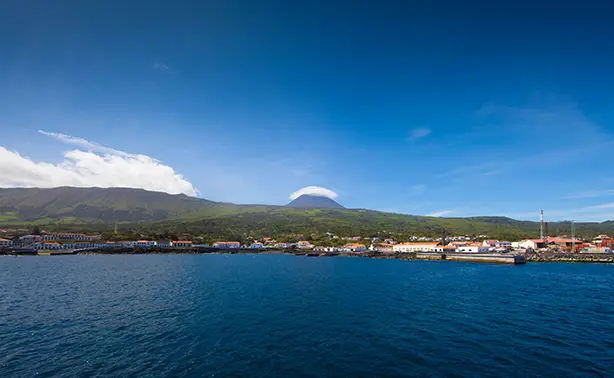
São Roque do Pico — nature, tradition and new ways to discover
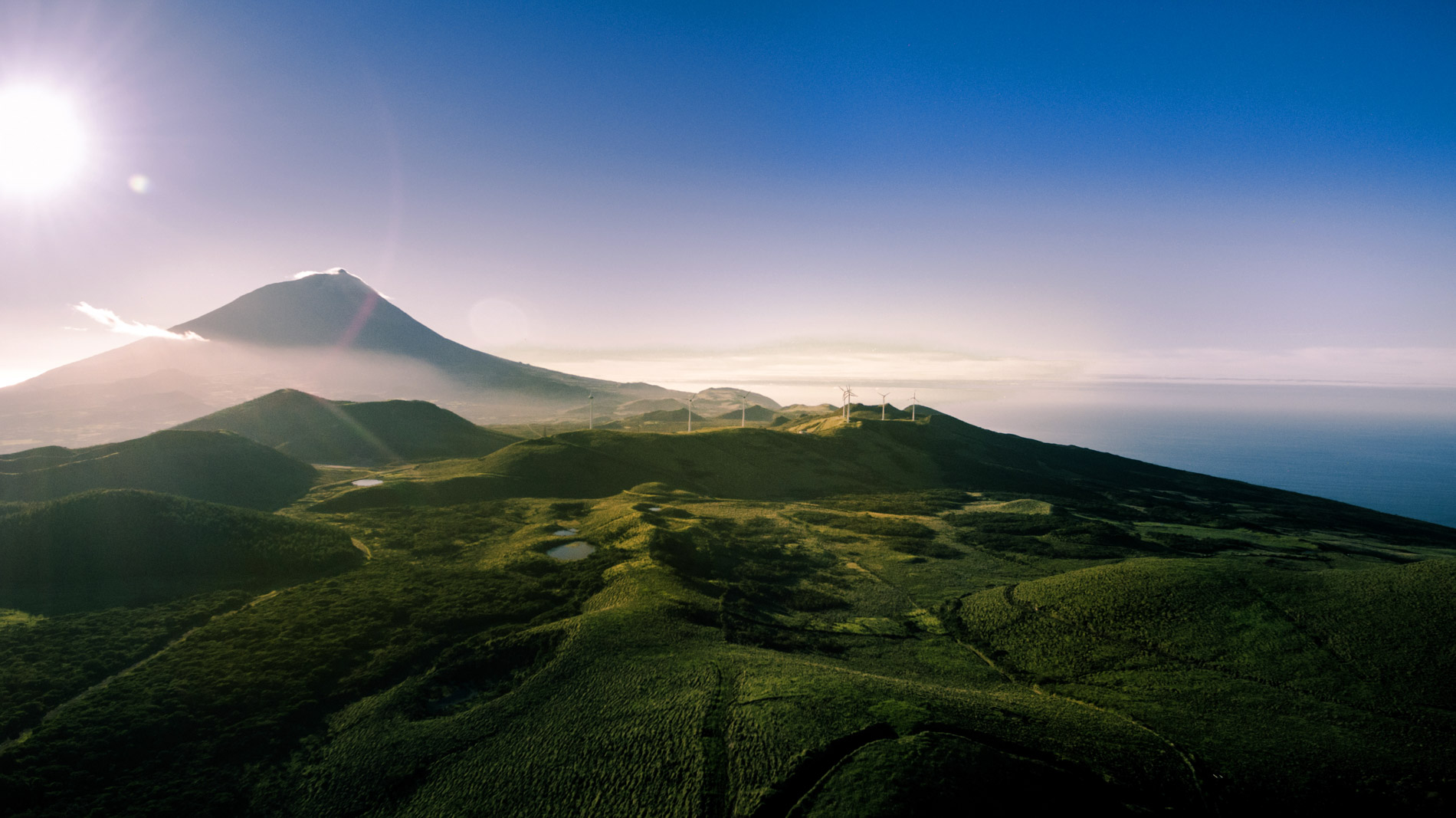
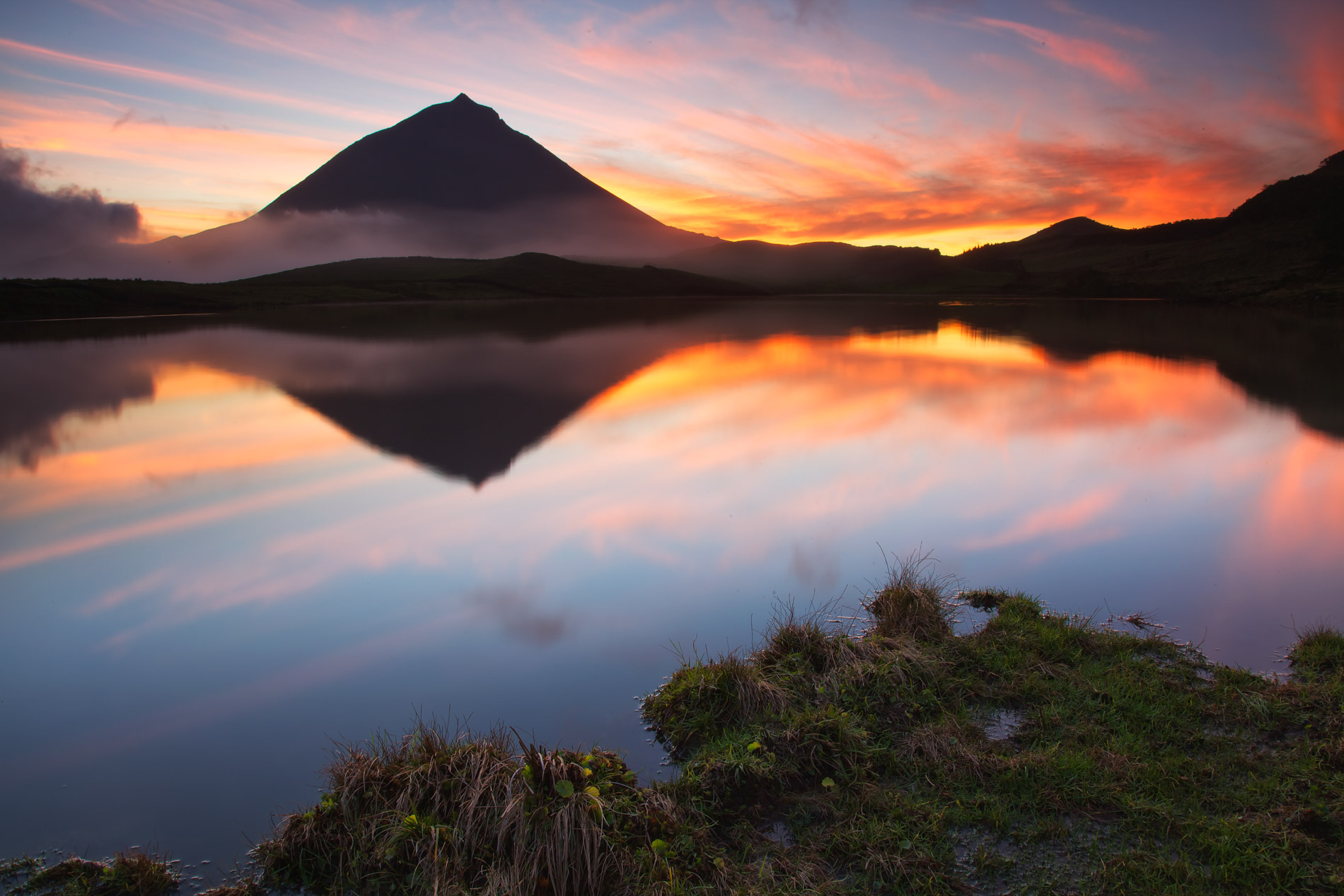
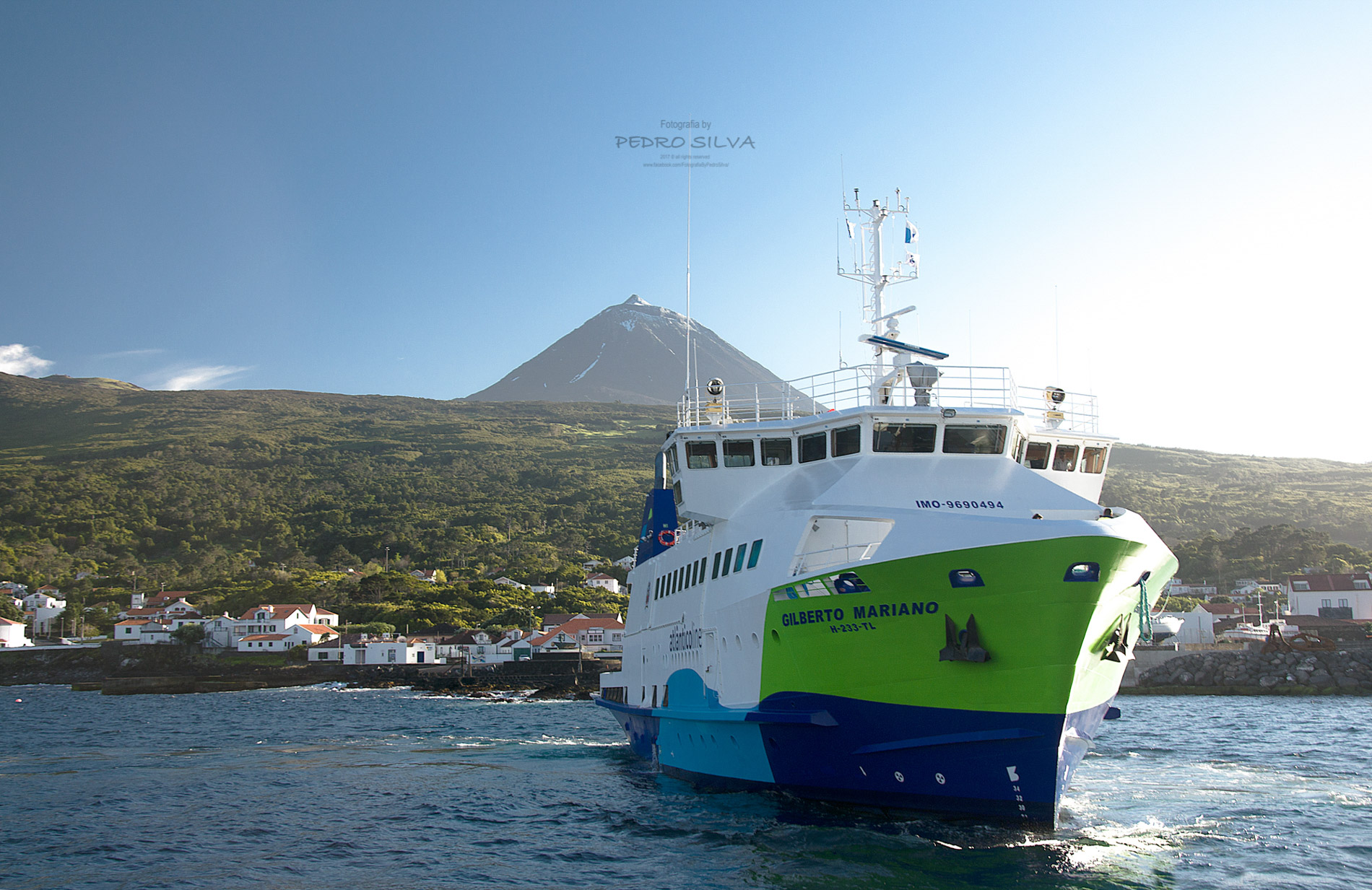
Most people discover São Roque by accident — they came for the volcano, or the wine, or a ferry connection, and ended up staying longer than planned. That tends to happen here.
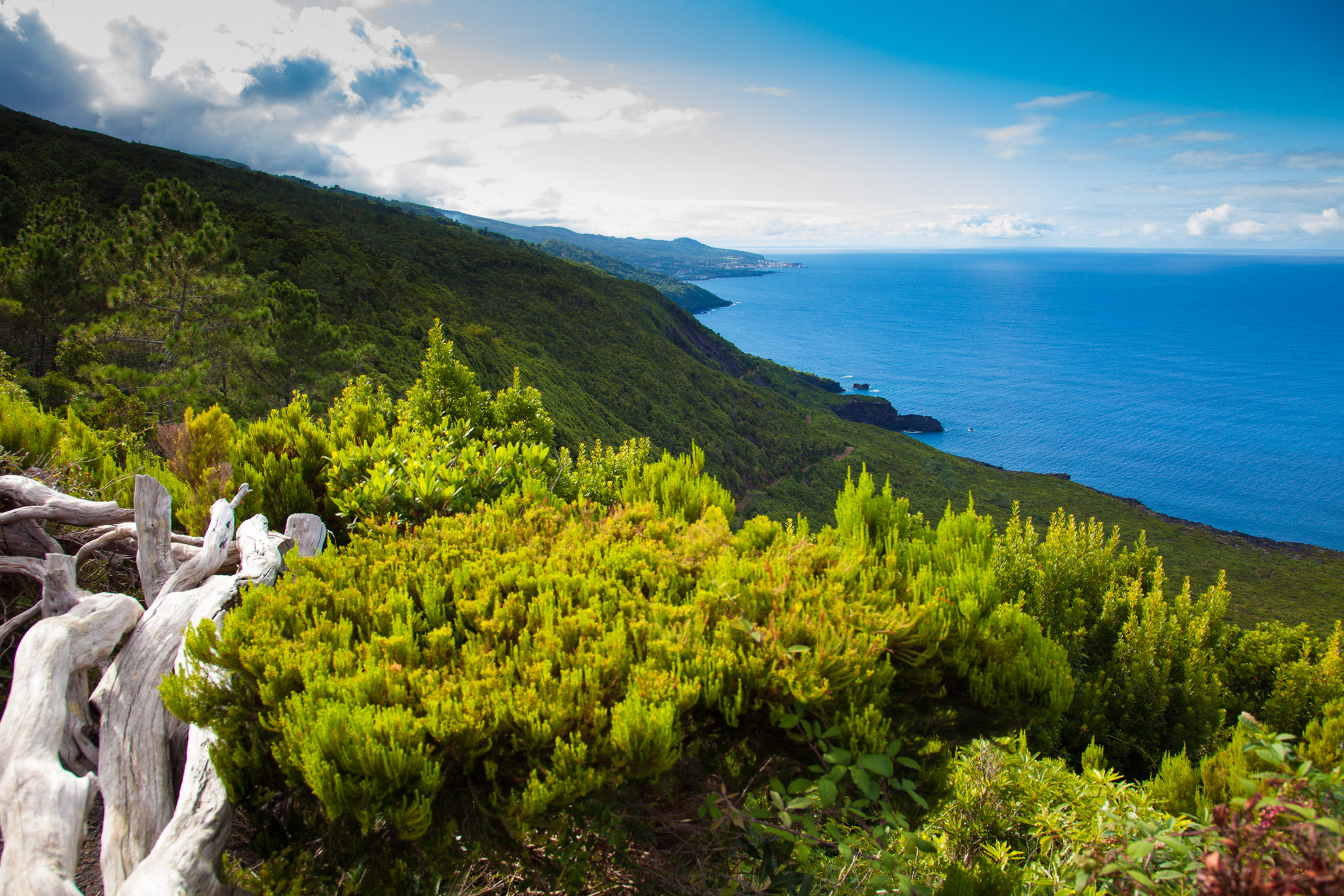
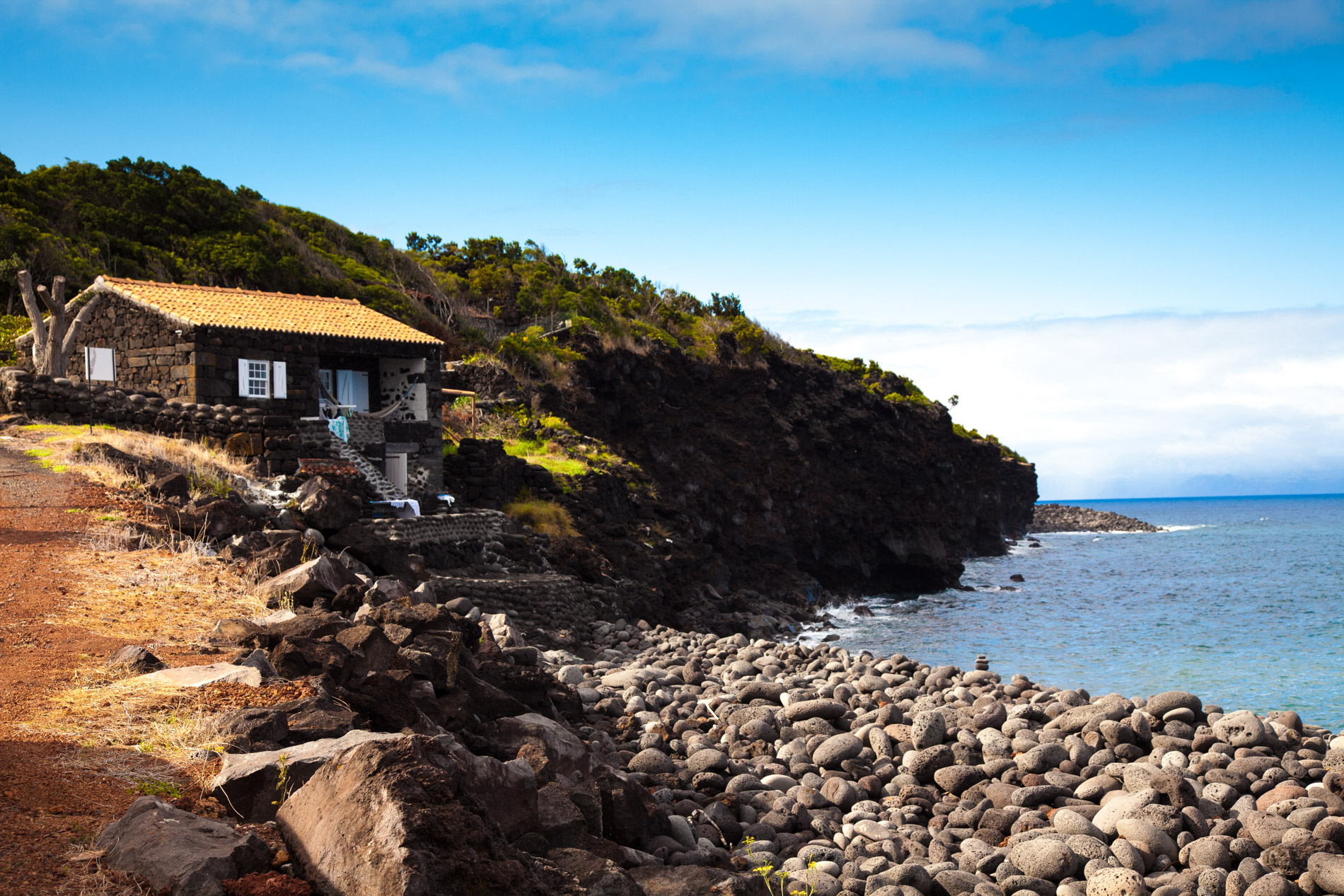
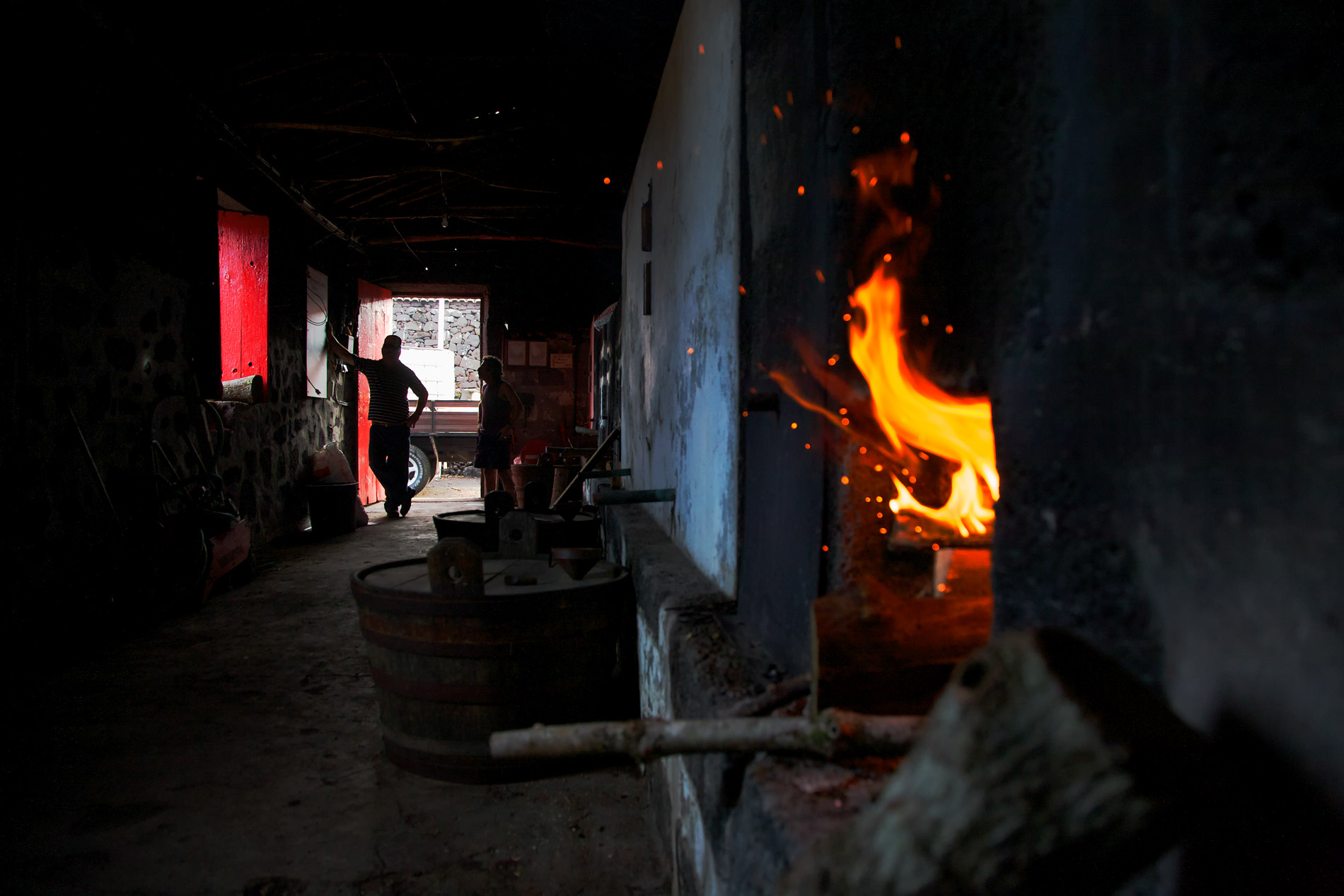
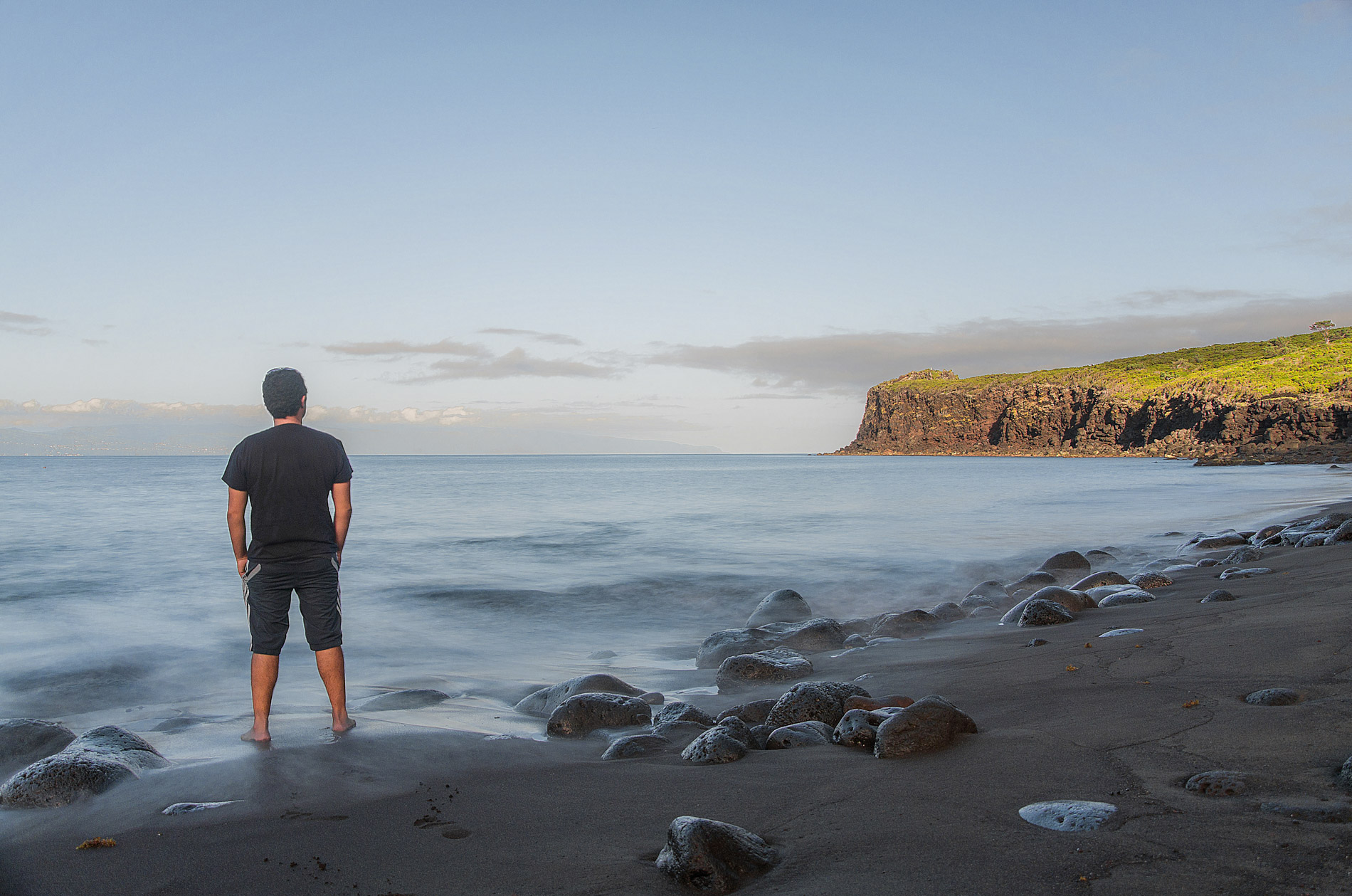
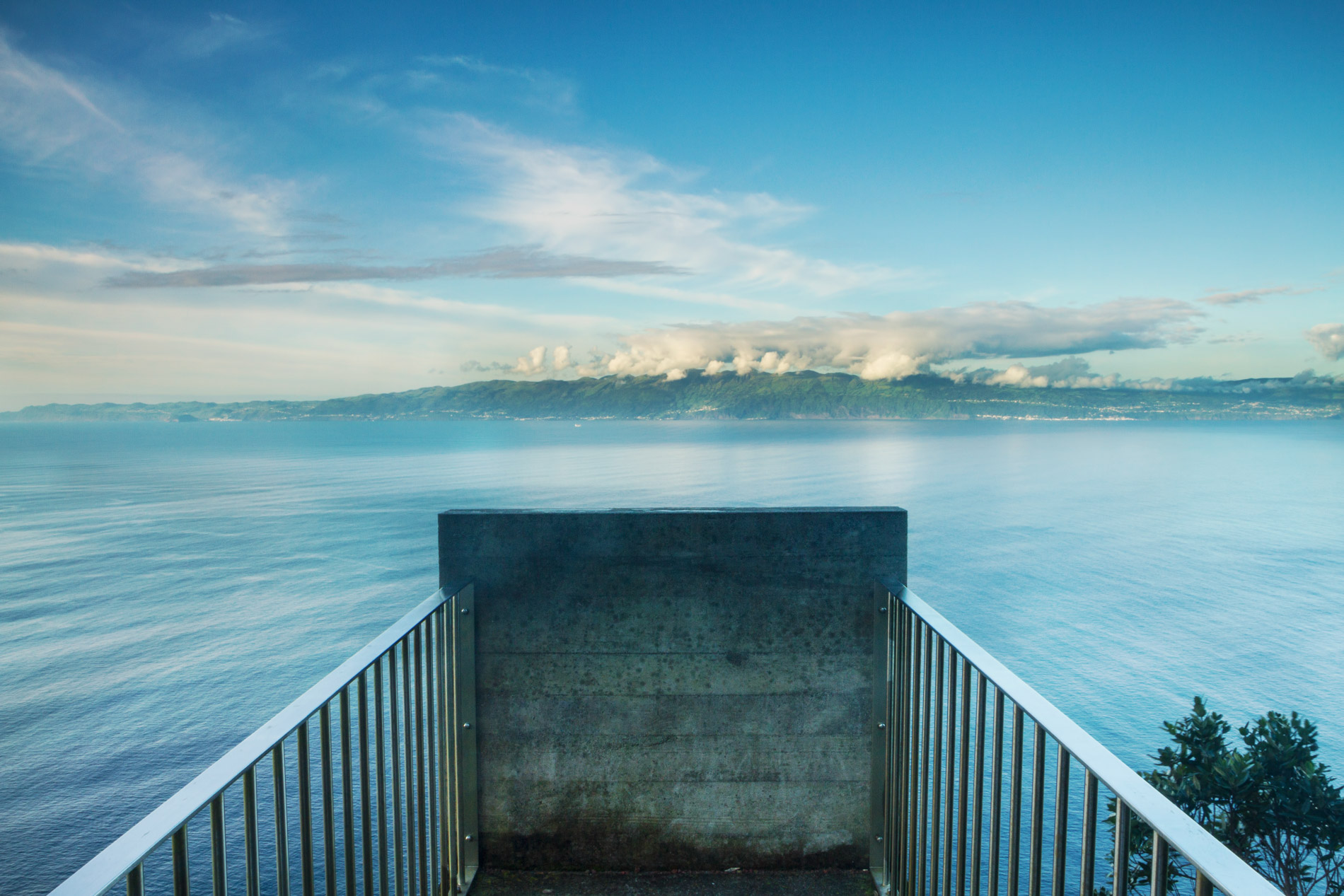
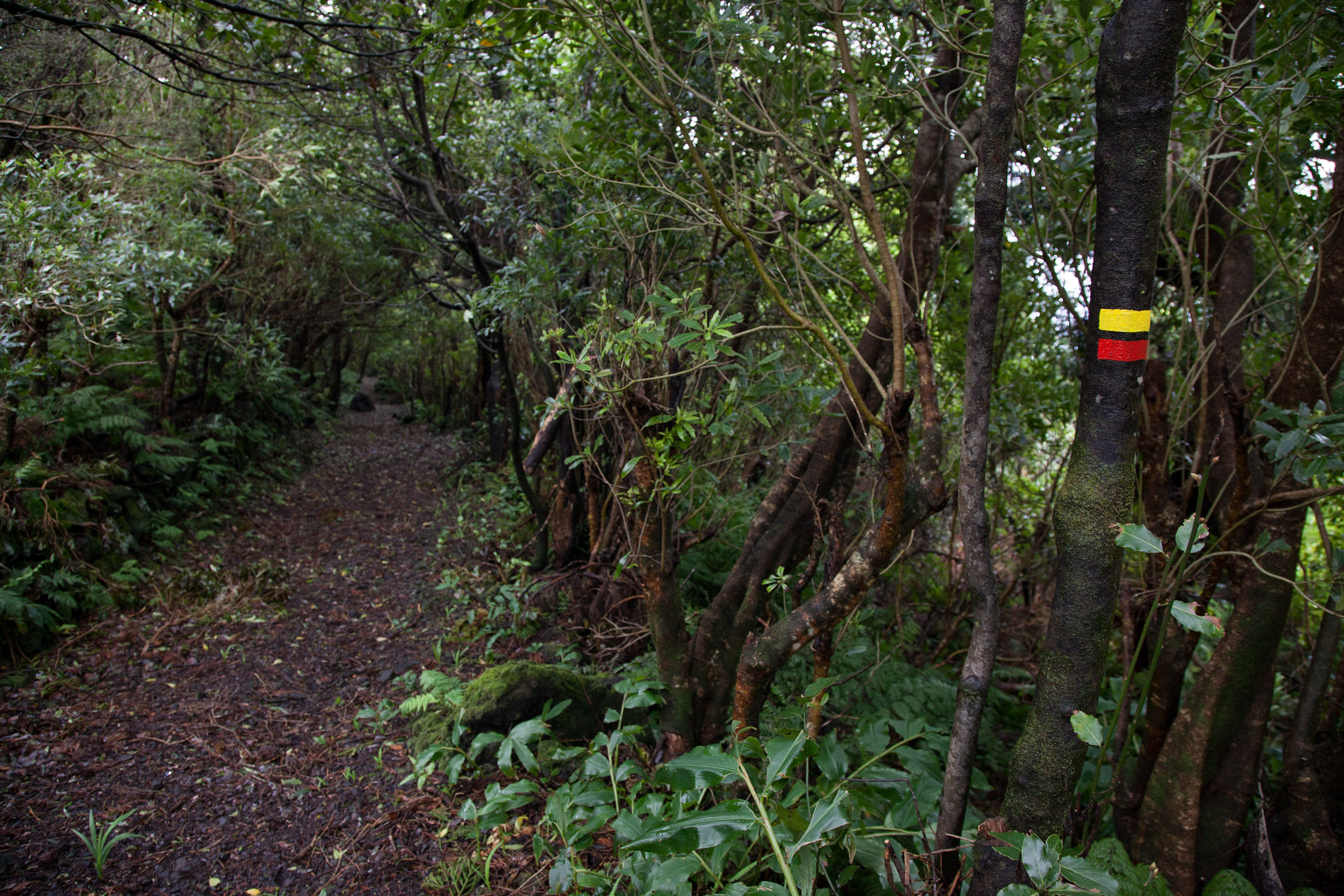
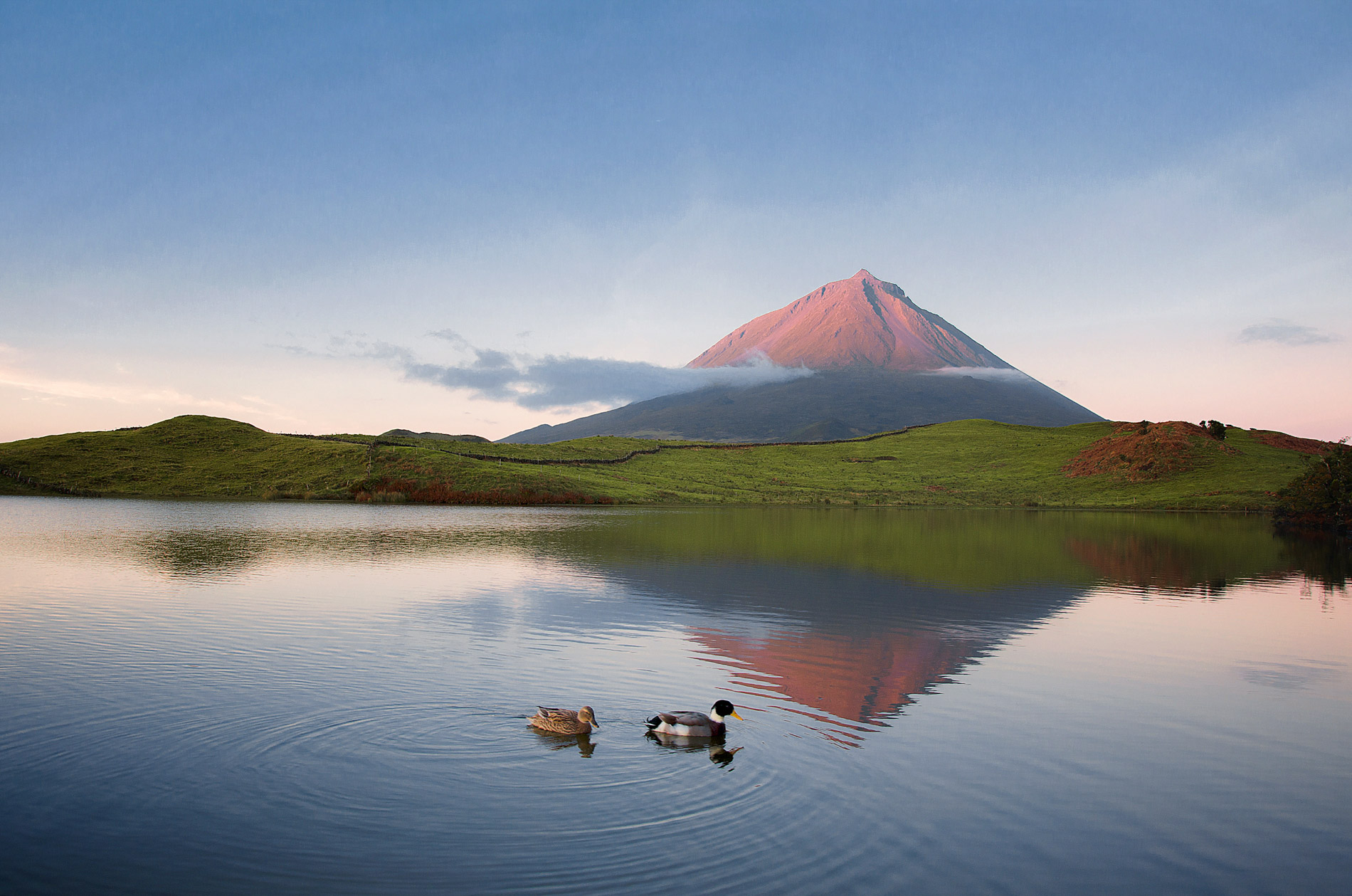
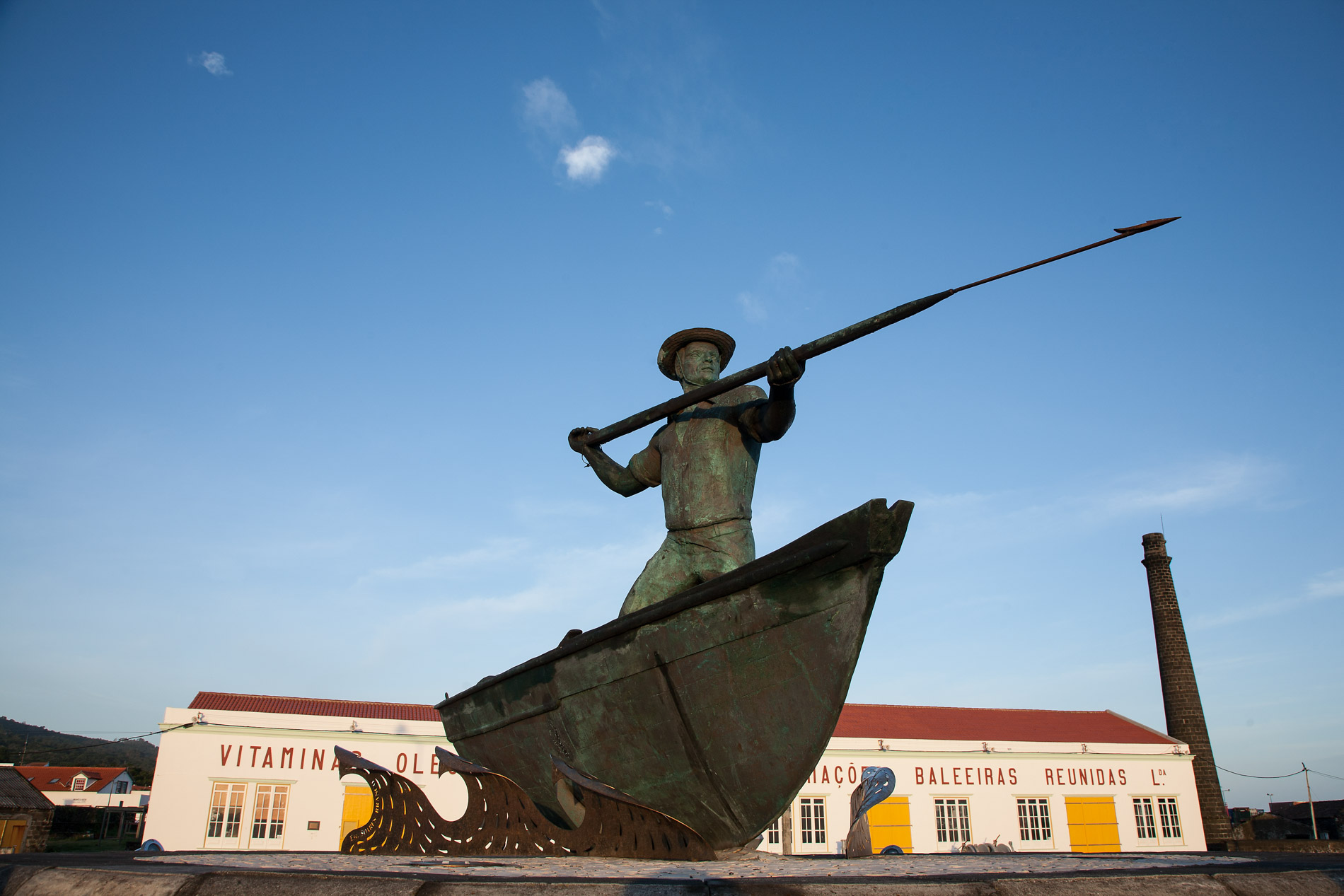
The municipality stretches from the mountain down to the coast, which means the landscape changes completely depending on which direction you're walking. Lava fields that have been slowly turning into vineyards for centuries. Bathing areas carved into the shoreline. Hiking trails that go up far enough to make the effort worth it. A whaling history that the locals don't treat as a museum piece — they grew up with it.
The place has also been quietly attracting people who work remotely and want somewhere that earns their attention after hours. The Azores Digital Nomad initiative put São Roque on that map — not by inventing something new, but by making it easier to stay for a month instead of a week.
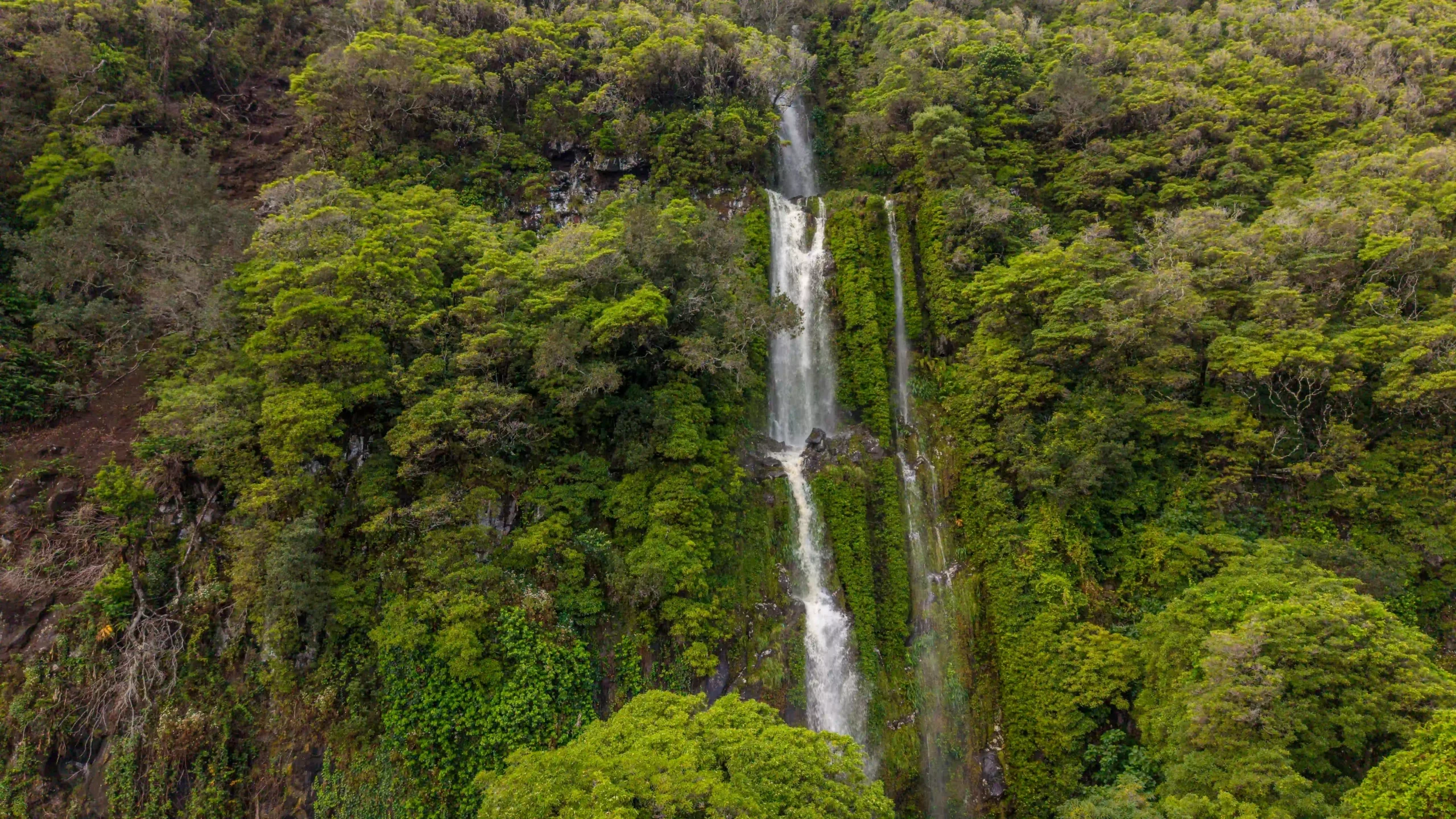
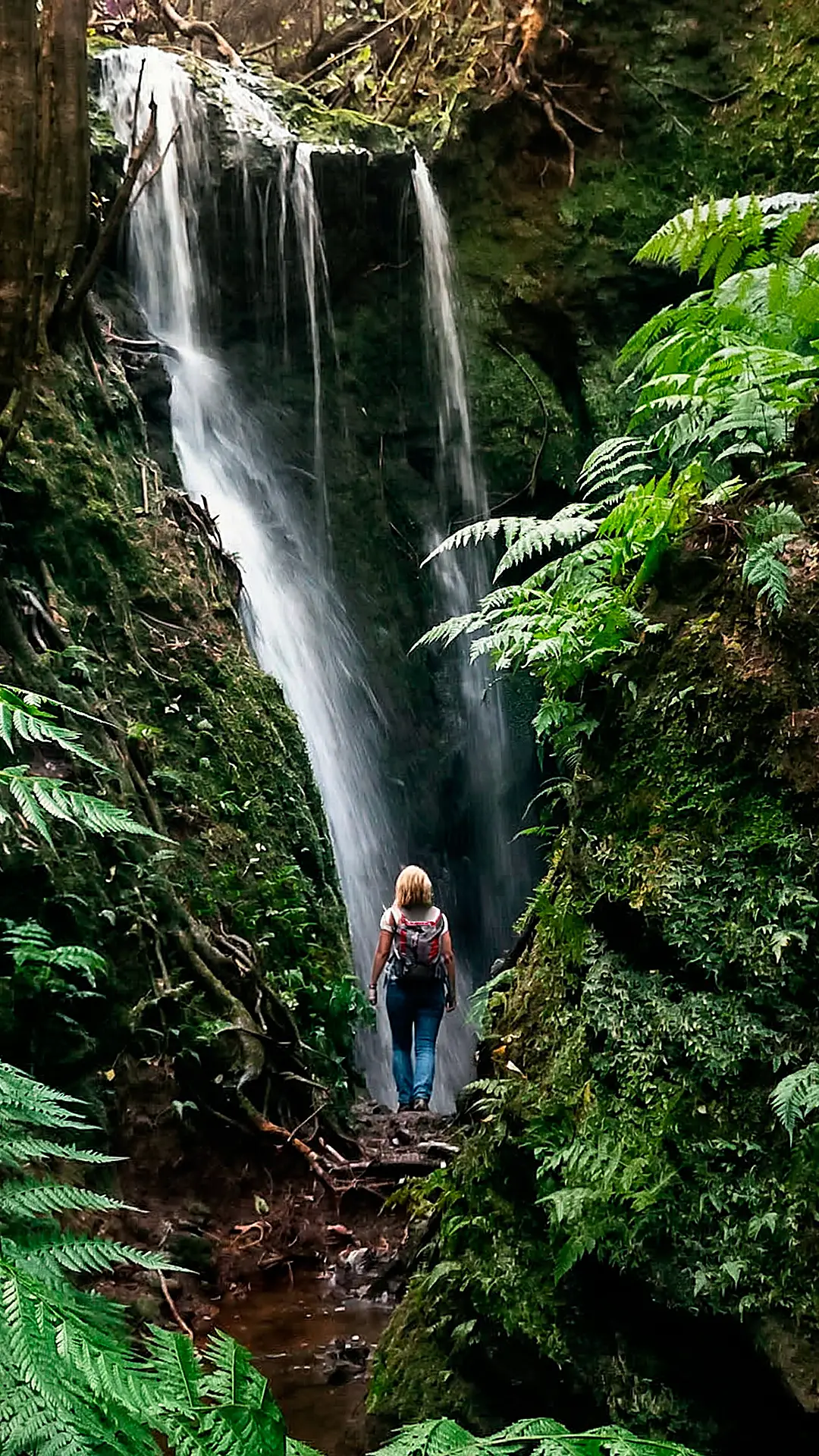
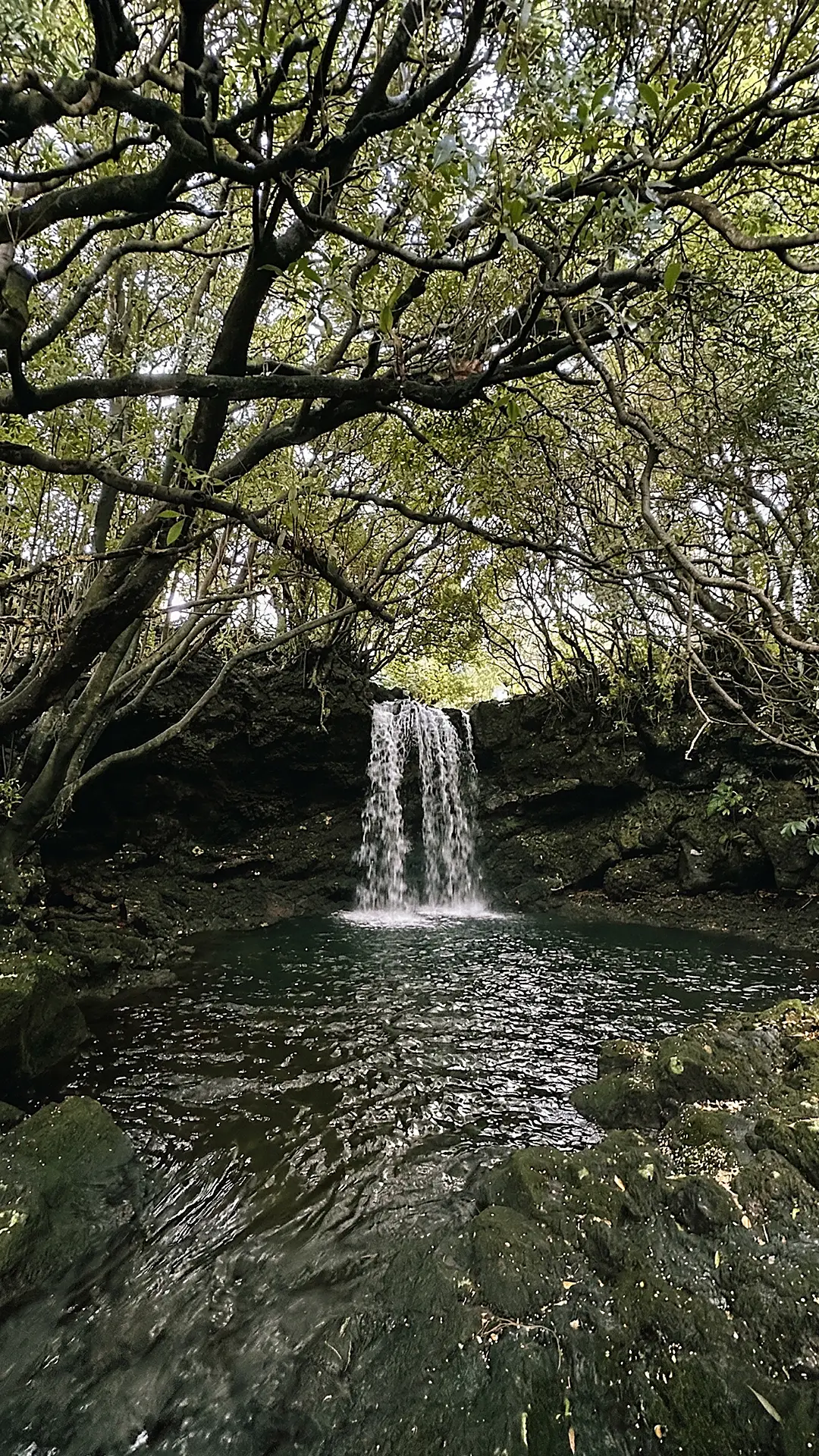
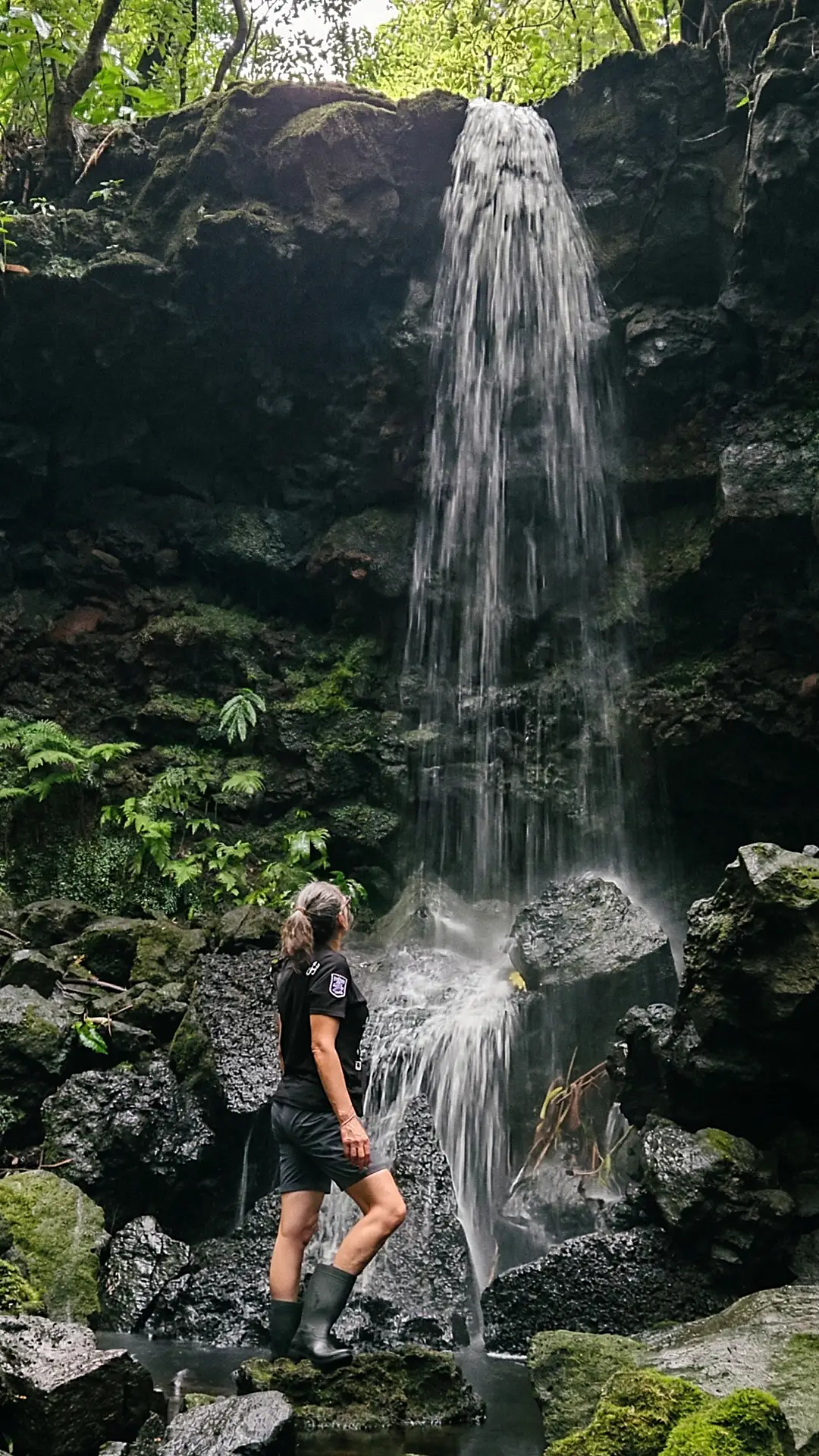
WaterTrails came out of a straightforward observation: when it rains on Pico, the island changes. Streams fill. Waterfalls appear where there were none. The terrain that looks austere in summer becomes something else entirely in wet weather. WaterTrails is a tourism route built around exactly that — the version of the island that most visitors never see because they went indoors.
A project by the Municipality of São Roque do Pico.